7 Signs Your Heavy Equipment Hydraulic Hose Needs Replacement
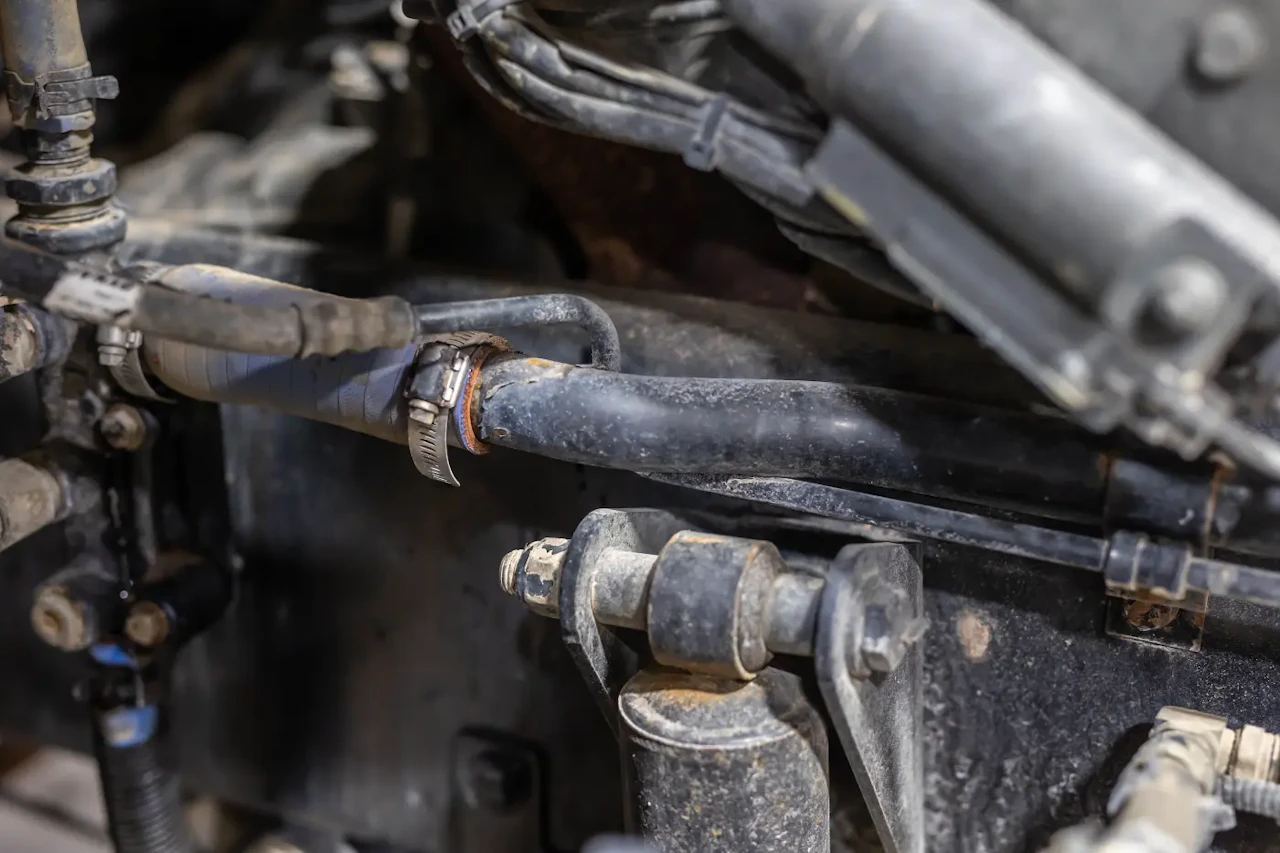
A small hydraulic fluid leak can become a major equipment failure when a worn hose finally gives way under pressure. On excavators, loaders, forestry equipment, and agricultural machinery, damaged hydraulic hoses can interrupt lifting, steering, and attachment operation, often when the machine is under its heaviest workload.
Recognizing deterioration early helps you arrange hydraulic hose replacement before a failure damages nearby components or leaves equipment out of service. For operators near Jackson, NJ, professional hydraulic hose and cylinder repair can address damaged lines, worn fittings, and related hydraulic problems before they escalate.
What Are the 7 Signs a Hydraulic Hose Needs Replacement?
Hydraulic hoses carry pressurized fluid between pumps, valves, cylinders, and motors. Their condition affects how reliably your equipment transfers power, particularly during demanding work involving repeated movements, heavy loads, and exposure to abrasive materials.
The following seven warning signs can help you identify hydraulic hose damage before a complete failure occurs.
1. Visible Cracks or Deteriorating Hose Covers
Cracks along a hose's outer cover can indicate aging, environmental exposure, excessive flexing, or heat-related deterioration. The protective cover shields the reinforcement layers underneath, so damage that extends into those layers can compromise the hose's ability to withstand operating pressure.
This type of wear deserves particular attention on forestry equipment, where hydraulic lines may encounter branches, debris, changing temperatures, and demanding operating conditions.
Inspect hoses for splitting, hardened rubber, exposed reinforcement, and sections that appear unusually brittle. Surface weathering does not always mean immediate failure, but cracking that exposes reinforcement or indicates structural deterioration warrants replacement.
2. Hydraulic Fluid Leaking Around the Hose
Wet hose surfaces, fluid accumulating beneath equipment, and recurring drops in reservoir level can indicate an external hydraulic leak. Leakage may originate from a damaged hose wall, a failing fitting connection, or another nearby component.
Even small leaks deserve prompt attention because pressurized fluid loss can reduce hydraulic performance and contribute to contamination. Understanding the dangers of hydraulic leakage also helps explain why continuing to operate damaged hydraulic lines creates unnecessary risks.
Never use your hands to locate a pressurized leak. Hydraulic fluid can penetrate the skin and cause severe injection injuries, even when the opening appears extremely small. Suspected injection injuries require immediate emergency medical attention.
3. Bulging, Blistering, or Swollen Hose Sections
A healthy hydraulic hose should maintain its intended shape during normal operation. Localized bulges, blisters, and unusual swelling may indicate that internal reinforcement has weakened or that fluid is separating the hose's internal layers.
These changes can develop after repeated pressure cycles, excessive heat exposure, incompatible fluids, or physical damage.
A bulging hose should be removed from service and replaced rather than operated until the swelling becomes worse. Its internal structure may already be compromised, making visual appearance an unreliable indication of how much pressure it can safely withstand.
4. Exposed Reinforcement or Severe Abrasion
Heavy equipment hydraulic hoses frequently operate near steel frames, boom assemblies, attachment mounts, and other moving components. Repeated contact with these surfaces can gradually wear through the protective outer cover.
On excavators and skid steers, poorly routed hoses may rub against mounting brackets or nearby moving parts whenever the boom or attachment cycles. Similar problems can affect agriculture equipment, particularly around loaders, hydraulic implements, and articulated connections.
If abrasion exposes the hose's wire or textile reinforcement, replacement is necessary. The technician should also investigate routing, clearance, clamps, and protective sleeving so the replacement hose does not suffer the same damage.
5. Kinked, Twisted, or Flattened Hydraulic Hoses
Hydraulic hoses need enough flexibility to accommodate normal equipment movement without exceeding their designed bend radius. Sharp bends, twisting, or repeated pinching can damage reinforcement and restrict fluid flow.
A hose that appears flattened or permanently deformed may have experienced excessive mechanical stress. Even after the equipment returns to its resting position, internal damage can remain.
Look for these conditions around articulating joints, loader arms, and hydraulic attachments, especially where hoses move through a wide operating range. Replacing the damaged line and correcting its routing can prevent recurring strain.
6. Slow, Jerky, or Inconsistent Hydraulic Movement
A machine that suddenly struggles to lift an attachment or operates with uneven hydraulic movement may have a problem involving fluid supply, pressure, or flow. A restricted or leaking hose can contribute to these symptoms, although pumps, valves, filters, and cylinders may produce similar behavior.
For example, a tractor loader that raises slowly might have a damaged line, insufficient hydraulic fluid, or another system restriction. Operators experiencing these symptoms can explore the common causes of tractor hydraulic problems to better understand how different components affect hydraulic performance.
A technician should inspect the complete circuit before determining whether hose replacement will correct the problem. Performance symptoms alone cannot confirm that a hose has failed.
7. Repeated Hose Failures or Premature Wear
Replacing the same hydraulic hose repeatedly suggests that an underlying operating or installation problem may remain unresolved. Incorrect hose specifications, excessive pressure fluctuations, unsuitable fittings, and poor routing can all shorten service life.
A replacement hose must match the equipment's requirements for working pressure, fluid compatibility, temperature, fittings, and routing. Selecting a hose solely because its dimensions appear similar can create another premature failure.
Recurring failures should prompt a closer examination of the entire installation. Identifying the cause helps protect the replacement hose and reduces the likelihood of repeated interruptions.
What Causes Hydraulic Hoses to Wear Out Prematurely?
Hydraulic hoses are designed to tolerate demanding conditions, but several operating factors can accelerate deterioration. Construction machinery, agricultural tractors, and forestry equipment encounter different hazards, making the hose's application especially important when evaluating wear.
Common causes of premature hydraulic hose failure include:
- Excessive Heat: High operating temperatures can accelerate rubber deterioration and weaken hose materials
- Abrasion: Contact with frames, brackets, and moving components can wear through protective covers
- Pressure Surges: Repeated pressure spikes can fatigue hose reinforcement and stress fittings
- Improper Routing: Tight bends, twisting, and insufficient clearance place unnecessary strain on hydraulic lines
- Fluid Incompatibility: Incorrect hydraulic fluids can deteriorate hose materials that are not designed for them
- Environmental Exposure: Sunlight, moisture, chemicals, and abrasive debris can damage outer covers over time
- Incorrect Installation: Improper fittings, assembly methods, or hose specifications can compromise reliability
Hydraulic fluid cleanliness also affects the system surrounding these hoses. Dirt, metal particles, moisture, and other contaminants can damage precision components, particularly when maintenance introduces debris into an opened circuit.
Understanding the different hydraulic fluid contamination types can help equipment owners recognize why clean handling, proper filtration, and compatible replacement components matter during hydraulic maintenance.
How Can You Prevent Hydraulic Hose Failures?
Regular visual inspections help identify deterioration before a hose develops a serious leak or ruptures. For machines operating in construction, forestry, or agricultural environments, checks should reflect daily workloads, exposure conditions, and manufacturer recommendations.
A practical hydraulic hose inspection routine should include:
- Examine hose covers for cracking, abrasion, and exposed reinforcement
- Check hose fittings and connections for visible leakage
- Look for unusual swelling, flattening, or permanent deformation
- Verify that hoses have sufficient clearance during attachment movement
- Inspect clamps, protective sleeves, and mounting points
- Monitor hydraulic fluid levels and investigate unexplained losses
- Record recurring damage and replace questionable hoses before continued operation
Always follow the manufacturer's shutdown and pressure-relief procedures before maintenance. Hydraulic circuits may retain dangerous stored pressure after the engine stops, particularly where raised attachments or loaded cylinders are involved.
Daily inspections are particularly valuable for machinery that operates around abrasive debris or requires frequent attachment movement. Detecting a damaged line before the working day begins provides an opportunity to schedule service rather than dealing with an unexpected breakdown in the field.
When Should You Replace a Hydraulic Hose Instead of Repairing It?
Replacement is generally necessary when a hose has structural damage, compromised reinforcement, significant deformation, or leakage through its body. These conditions can affect the hose's ability to safely contain hydraulic pressure, and external patching is not an appropriate substitute for a correctly specified replacement assembly.
A leaking fitting connection may require a different approach. Depending on the condition of the components, a technician may determine that the connection can be corrected or that the complete hose assembly requires replacement.
The most important distinction is identifying where the failure originated. A damaged hose body, incorrect fitting, restricted routing, or unrelated hydraulic component may require a different repair decision, even when the initial symptoms appear similar.
Schedule Hydraulic Hose Replacement in Jackson, NJ
Worn hydraulic hoses can affect equipment control, create dangerous leaks, and interrupt important work. Catching deterioration early gives you an opportunity to correct damaged lines before they cause additional hydraulic problems.
Diesel Alchemist provides mobile hydraulic hose and cylinder repair for heavy equipment, agricultural machinery, and commercial equipment in Jackson, NJ, and surrounding areas. If you notice leaking fittings, severe abrasion, damaged reinforcement, or unusual hose deformation, call 732-333-4422 to arrange an inspection and discuss the appropriate replacement.
Contact Diesel Alchemist
At Diesel Alchemist, we provide Jackson , NJ & the surrounding area with repair and maintenance services for heavy equipment, farm equipment, and heavy-duty trucks. For more information on our hourly mobile rate or to schedule an appointment, please contact us today!